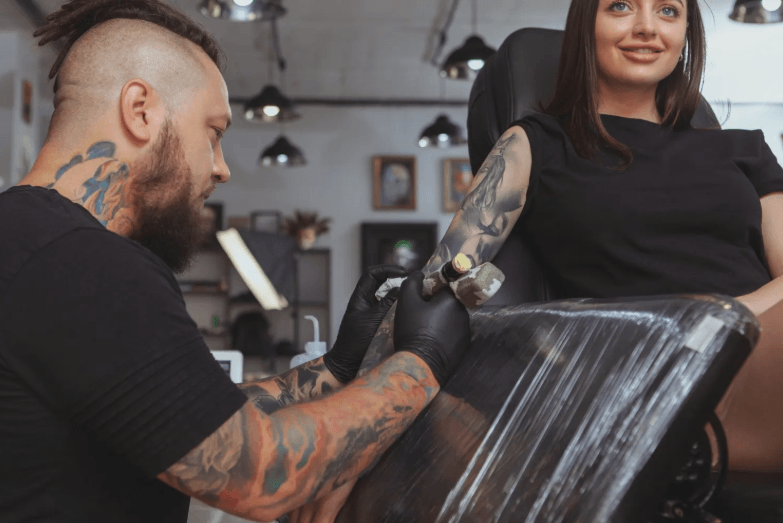
Before the buzz starts, comfort deserves a proper plan
Some tattoo choices feel big before the needle even shows up. The design is ready, the artist is booked, and the spot on your body is picked. Then one small thought taps on your brain: how much will this hurt? That question is normal. It does not make you weak. It makes you prepared. Tattoos can feel sharp, hot, scratchy, or just plain annoying after a while. So, planning for comfort is not drama. It is common sense.
In this guide, we look at tattoo numbing cream in a plain, useful way. We cover what it does, how to pick one, and how to use it without messing up your tattoo day. We also talk about what your artist needs to know before you apply anything. Good prep can help you sit better, breathe easier, and enjoy the session more. For people comparing choices centered on the best tattoo numbing cream in Australia, this article gives a clean starting point. No loud claims. No confusing skin talk. Just simple advice that helps you make a safer, smarter choice. By the end, you will know what to ask, what to avoid, and how to walk into your booking with less worry.
What tattoo numbing cream can and cannot do for you
Tattoo numbing cream is made to lower the feeling in the top layer of skin. That can make the first part of the tattoo feel easier. It may help when the area is bony, thin, or very tender. It can also support people who feel nervous before a long workday. Still, it does not turn a tattoo into a nap. You may feel pressure, rubbing, buzzing, or warmth. That is part of the process. Think of it as turning down the volume, not muting the whole room.
A good cream works best when used with care. You should not slap it on and hope for the best. Read the label and follow the timing. Ask your artist before you use it. Some artists like working with numbed skin. Some do not, especially if the cream changes the feel of the skin. Keep these points close:
- Use it only on healthy skin.
- Do not use it on cuts or rashes.
- Follow the time listed on the label.
- Tell your artist before the session.
- Stop use if skin feels odd or angry.
How to pick a numbing cream without overthinking it
The best choice starts with your tattoo plan. A small wrist tattoo is not the same as a large rib piece. A two-hour session is not the same as a full-day booking. Your skin type matters too. Sensitive skin can react faster, even to simple products. So slow down a little before buying. It is better than dealing with red, itchy skin on tattoo day. Nobody wants that plot twist.
Look for clear directions, simple use steps, and honest timing. A product should explain how long to leave it on. It should also say where not to use it. Avoid creams that sound too good to be true. Comfort matters, but skin safety matters more. You might be wondering what to check first. Use this short list:
- Clear use instructions.
- A known purpose for tattoo sessions.
- Skin safety notes on the label.
- Good timing for your appointment.
- Approval from your tattoo artist.
How to use numbing cream before your tattoo appointment
1. Clean the area with care
Start with clean skin. Use mild soap and water. Pat the area dry with a clean towel. Do not scrub hard, because rough skin can get upset fast.
2. Apply the right amount
Use the amount listed on the product label. More cream is not always better. Too much can bother the skin. Keep it even and neat.
3. Wait for the listed time
Numbing cream needs time to work. Rushing makes the result weaker. Plan your timing before you leave home. Being late and sticky is not a vibe.
4. Let your artist clean it off
Your tattoo artist may wipe the area before starting. That is normal. Clean skin helps the stencil and ink work better. Do not argue with the wipe; it has a job.
Why your tattoo artist should know before you apply it
Your artist needs to know what is on your skin. That is not being picky. It helps them protect the tattoo quality and your skin. Some creams can leave residue if not removed well. Some may make skin feel soft, slick, or slightly raised. That can affect stencil placement and needle control. A quick talk avoids stress later. It also shows respect for the person doing the work.
Tell your artist the product name and when you plan to apply it. Ask if they want you to arrive with it on or washed off. Every studio can have its own rules. Some may say yes right away. Others may ask you not to use it. Both answers are fair. Your job is to ask early, not five minutes before the machine starts. Keep it simple:
- Ask during booking.
- Share the product name.
- Follow the studio’s rule.
- Do not hide cream use.
- Listen if they say no.
How aftercare keeps your tattoo looking clean and bright
Numbing cream is only for the before part. After the tattoo, your skin needs gentle care. A fresh tattoo is tender and open at the surface. That means dirt, sweat, and rubbing can cause trouble. Your artist will give you aftercare steps. Follow those steps first. Random advice from friends can get messy fast. One person says dry heal. Another says to use a thick layer. Now your brain needs a referee.
Keep the tattoo clean, calm, and protected. Wash only as advised. Use the product your artist suggests. Do not pick flakes, even when they look annoying. Avoid pools, heavy sun, and tight clothing at the start. Healing takes patience, not panic. Watch your skin each day. If redness spreads, swelling grows, or pain gets worse, speak with a professional. Better to ask early than guess late.
See also: Home Improvement Center Strategies for Better Living
A calmer tattoo day starts with one smart choice
Tattoo pain is personal, and nobody feels it the same way. That is why prep matters. Numbing cream can help you feel more ready, but it should be used with care and clear steps. The best results come from clean skin, good timing, and honest talk with your artist.
We believe tattoo comfort should feel simple, not confusing. Choose with care, read the label, and respect your skin. When you plan, the whole session can feel less tense. Before your next booking, take a few quiet minutes to prepare well. Your future self, sitting in that tattoo chair, will be glad you did.